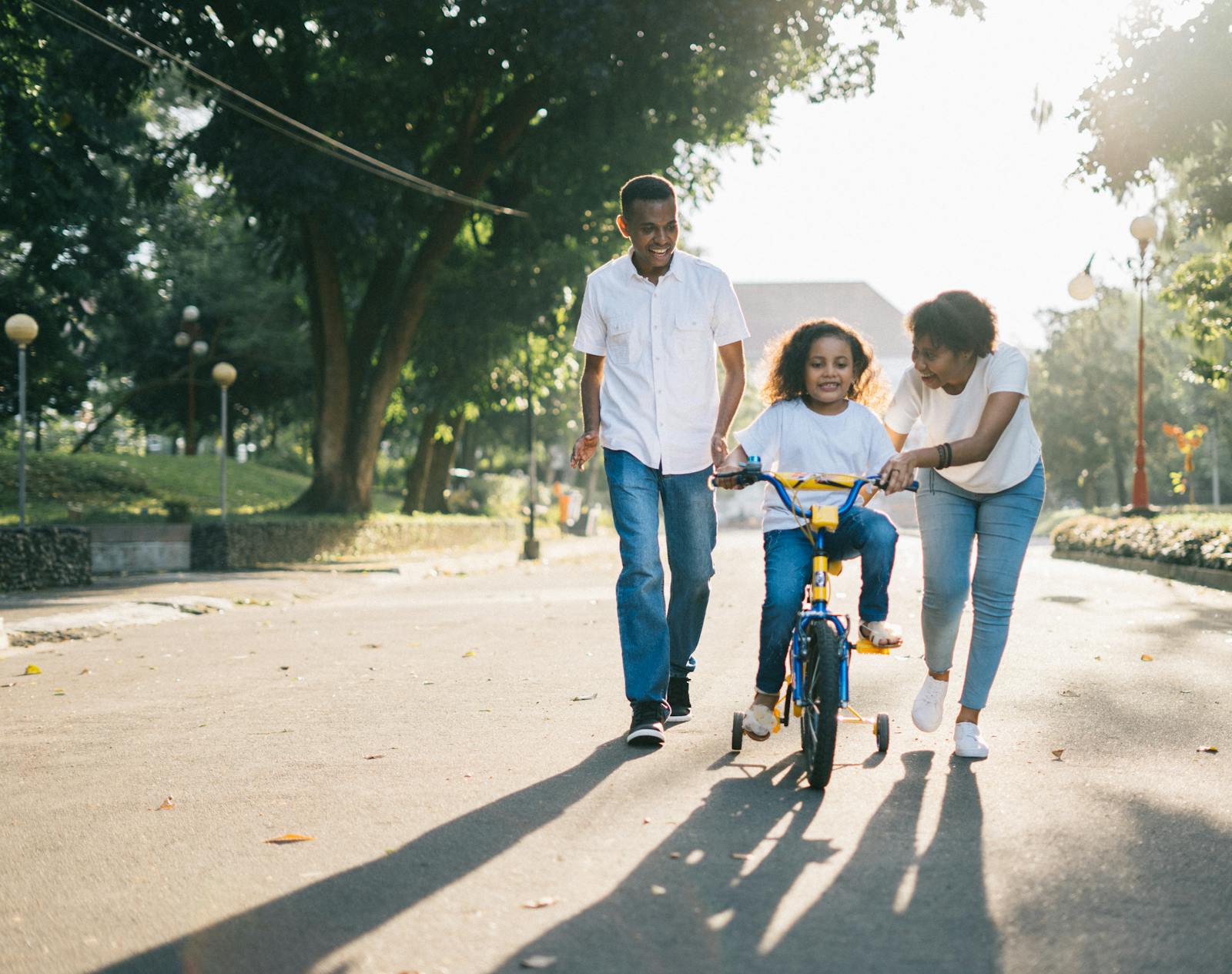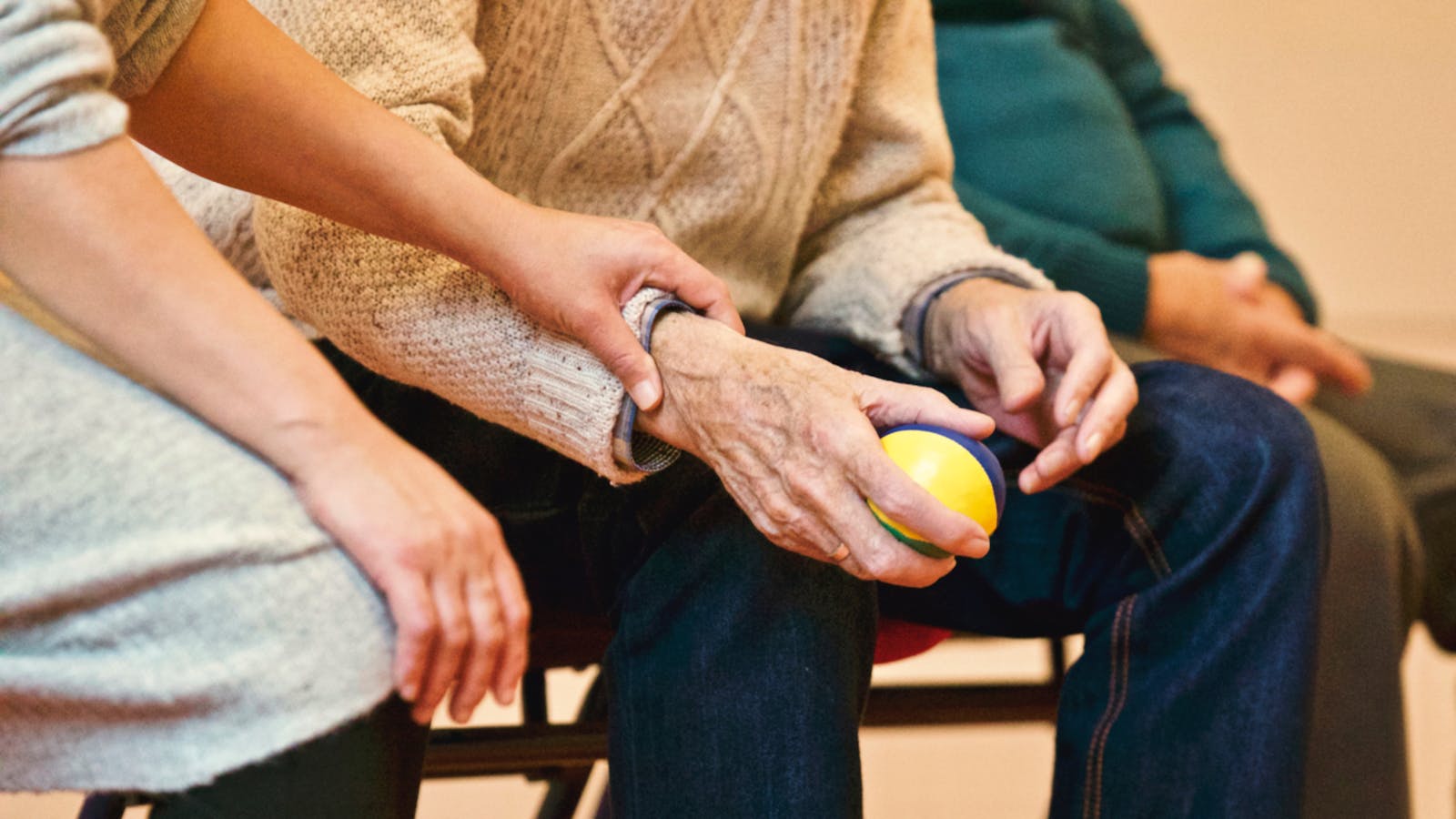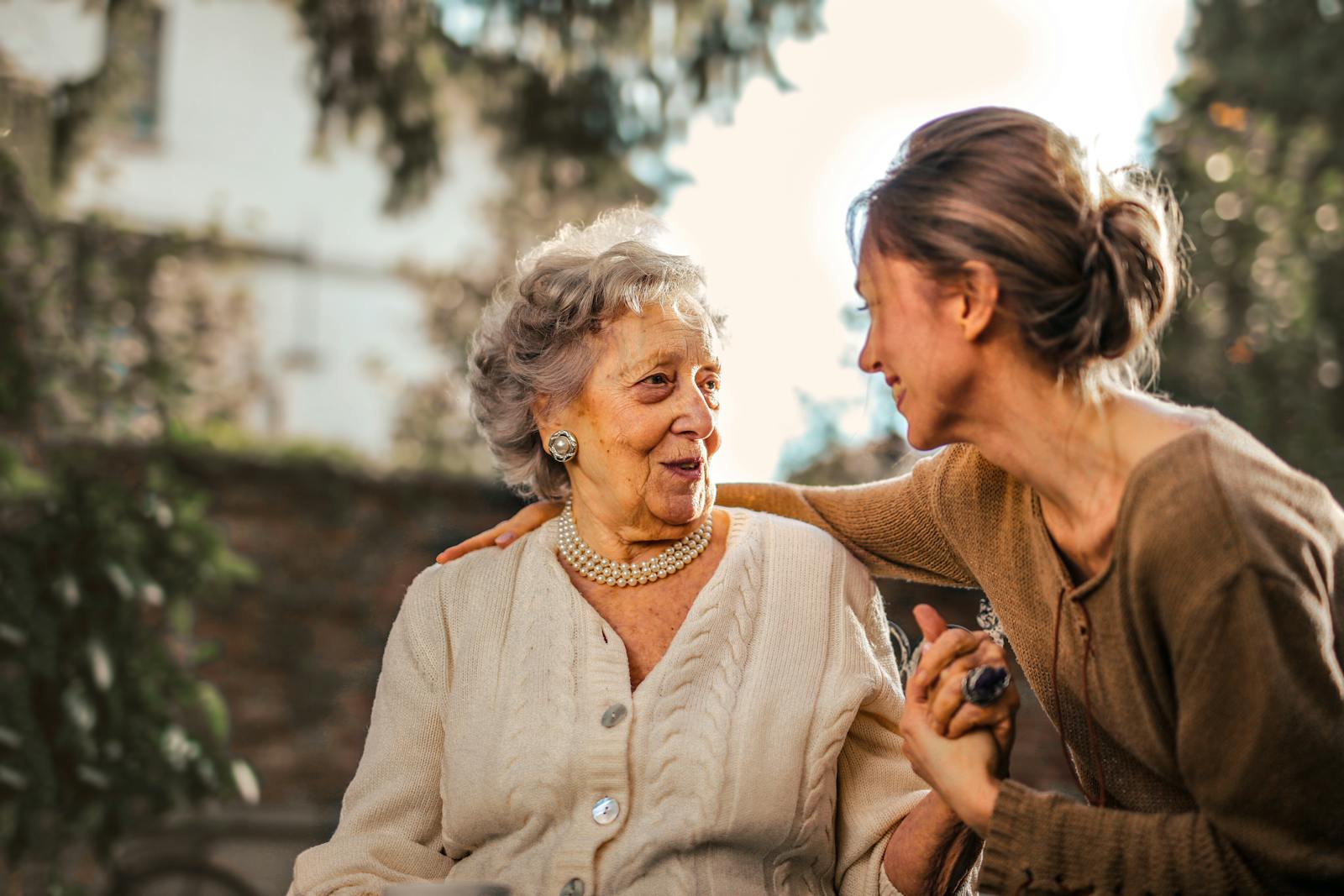
Reminiscence is not just looking backward. Decades of research on reminiscence therapy, including the Cochrane review of trials with people living with dementia, keep finding the same pattern: talking about the past with the right prompts improves mood, reduces agitation, and strengthens connection, both during the activity and after it. For families, there is a second benefit. The stories that surface are the family's history, and they can be kept.
Here are fifteen activities, from zero-prep to weekend-project, each with a note on adapting for memory loss.
The Photo Activities
1. The one-album rule. Pull a single album and let your parent narrate. Do not turn the pages for them; the order they choose is the story they want to tell. Memory-loss adaptation: photos from early and middle life stay accessible longest, so start there.
2. The mystery photo. Show a photo of a place or object from their past (a storefront, a car model) and ask what it is. Recognition often survives when recall does not, and being the expert feels good.
3. The restoration reveal. Have a damaged family photo professionally restored and present it. The reaction usually starts a story session on its own.
The Sound Activities
4. The soundtrack year. Play the music from the year they turned eighteen. Music and memory are wired together more tightly than any other sense. The effect on people with dementia is often remarkable: words come back, feet tap, whole evenings arrive.
5. Radio hour. Find recordings of old radio shows, ballgames, or newscasts from their youth. Many stream free online.
The Kitchen Activities
6. Cook their mother's recipe. Ask them to direct you through a dish from their childhood, from memory, without a written recipe. What they remember, and what they improvise, is the story.
7. The recipe card session. Go through the recipe cards together and ask where each one came from. Write the stories on the backs of the cards. That box becomes an heirloom in an afternoon.
The Object Activities
8. The memory box. Fill a box with five to eight objects from their life: a tool, a dish, a letter, a ticket stub, a toy. Bring out one object per visit. Touch unlocks talk.
9. The junk drawer interview. Literally open a drawer together and ask about its contents. There is a story in every kitchen in America.
10. Clothing archaeology. A letterman jacket, a wedding dress, a work uniform. Ask where it was worn and what happened that day.
The Place Activities
11. The old neighborhood drive. Drive the route from their childhood and ask them to narrate: which house, which store, which porch. Take photos out the window as you go.
12. The map question. Hand them a printed map of their hometown and ask them to mark the places that mattered. The map becomes a document of a life.
The Guided-Conversation Activities
13. The one-question visit. Bring a single written question to each visit ("What did a Saturday look like when you were ten?") and let the whole conversation grow from it. One question, asked well, fills an hour.
14. The letter to their younger self. Ask what they would tell the eighteen-year-old version of themselves. Then offer to write it down together.
15. The recorded story call. For families scattered across the country, a scheduled, friendly phone call devoted to one story at a time, recorded and kept, works when in-person visits are rare. This is TalkLore's whole model: regular calls, one question at a time, every answer preserved and eventually bound into a hardcover book. It is reminiscence with a keepsake at the end.
A Gentle Warning
Reminiscence should be an invitation, never a demand. If a topic brings distress, change the subject without apology. The goal is connection, not extraction. And if your parent lives with dementia, follow their lead: the destination matters less than the company on the drive.