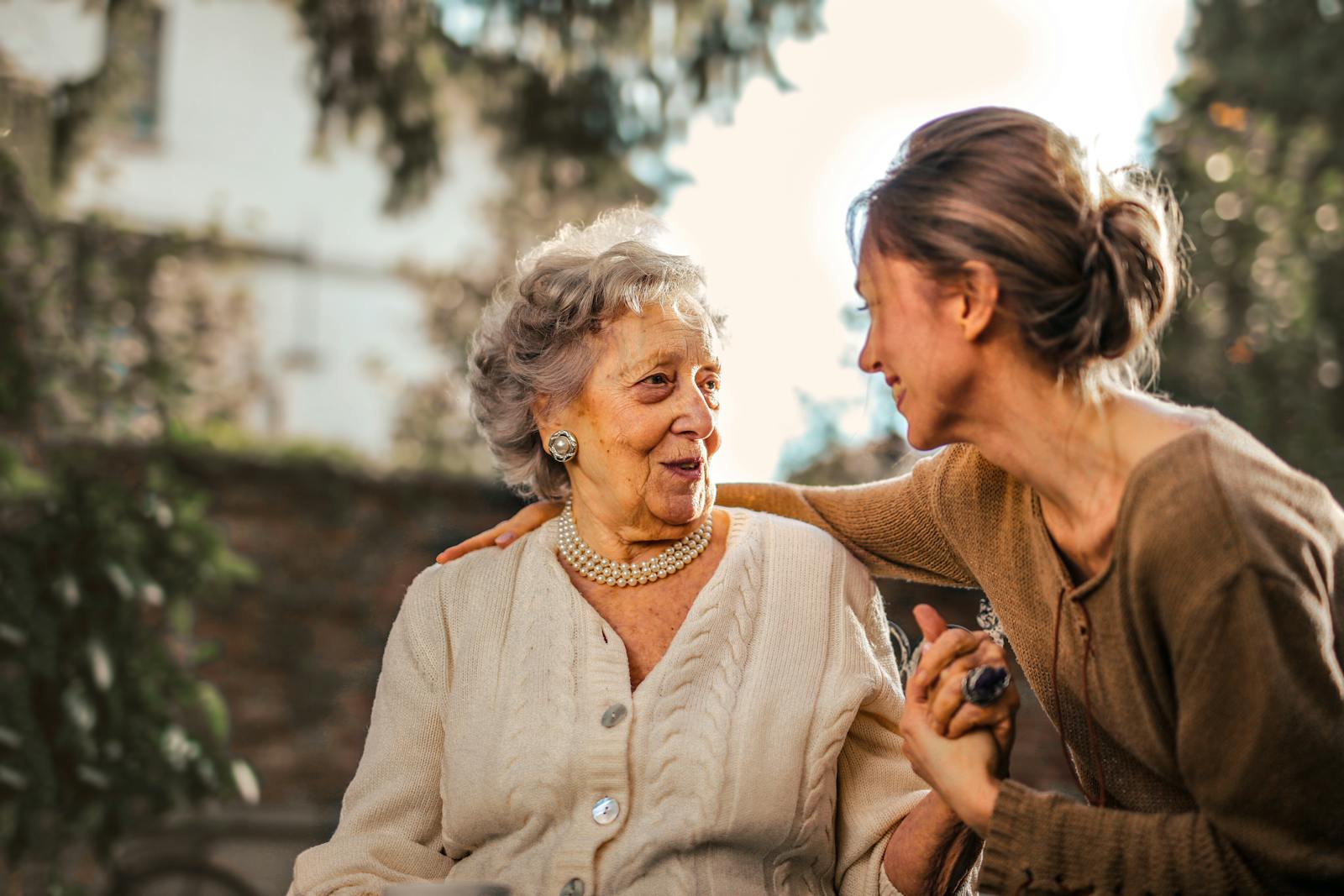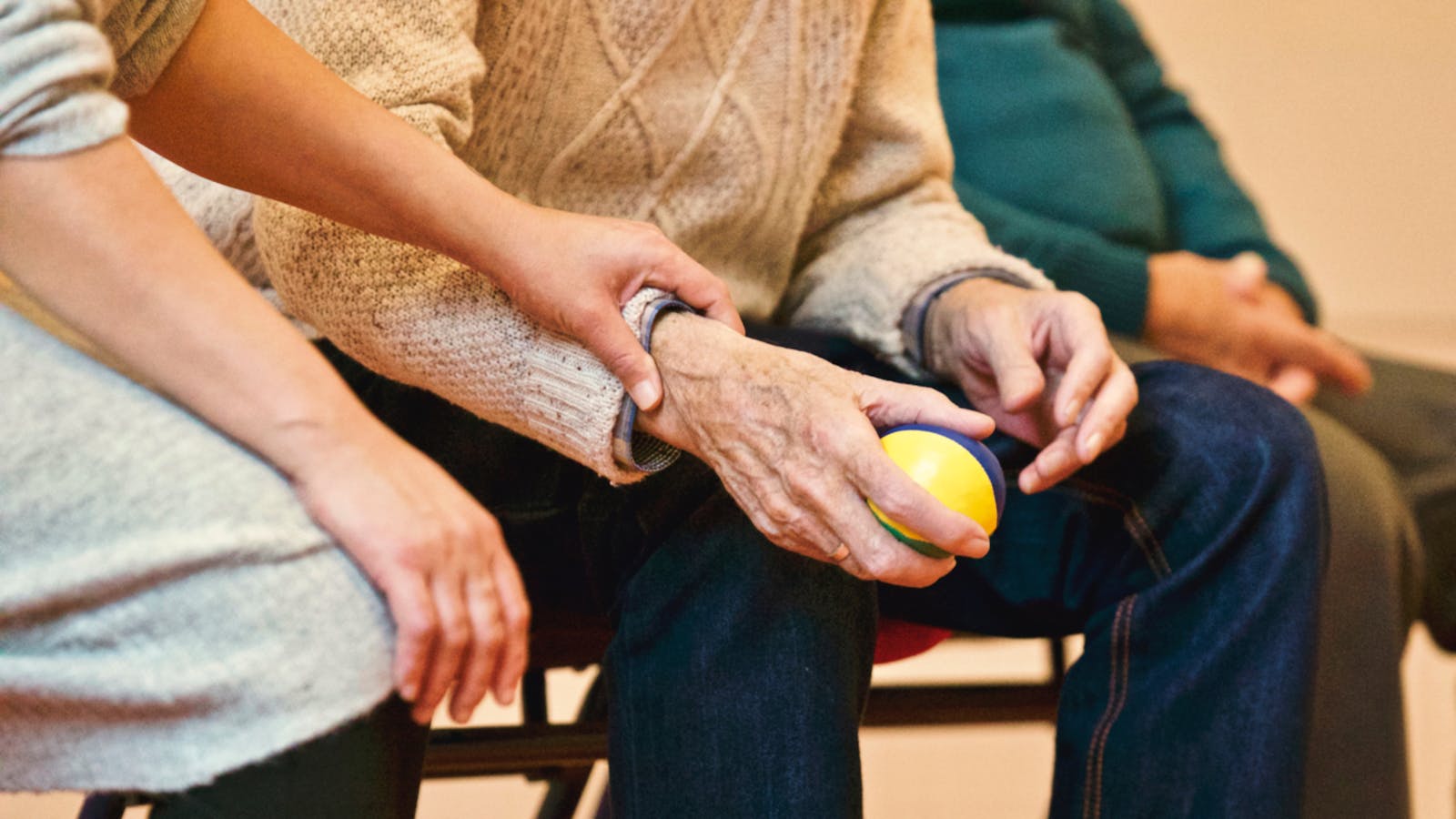
There is a rule of thumb among family historians: a family story that is not written down or recorded tends to be gone in three generations. The immigrant great-grandmother's crossing becomes one sentence in the second generation and a rumor by the third. Nobody decides to lose it. It just evaporates, one unasked question at a time.
The loss is not only informational. Here is what the evidence and the lived experience say we lose, and what keeping stories returns.
What Kids Gain From Family Stories
The strongest finding comes from the Emory University studies by Marshall Duke and Robyn Fivush. Children who knew more about their families' history, the ups and the downs, showed stronger self-esteem, a firmer sense of control over their lives, and one of the best-documented predictors of children's emotional wellbeing and resilience: a coherent family narrative. The finding has been repeated and expanded for two decades.
Why would it work this way? A working theory: a child who knows the family survived the farm loss, the war, the move with two suitcases, learns that setbacks are a chapter, not the ending. They come from a people with a plot. The technical term in the literature is the intergenerational self.
What Elders Gain From Telling
Reminiscence research, including the large Cochrane review of reminiscence trials in dementia care, keeps finding that structured remembering improves mood and connection, and often eases agitation. But the plainer version is the one every family recognizes: being asked about your life, in detail, by someone who wants the answer, is one of the clearest forms of respect there is. For a generation raised not to take up space, the invitation itself is the gift.
What the Middle Generation Gets
The adult child who records a parent's story gets two things they did not expect. First, the relationship changes: questions about 1962 turn out to be questions about why your father is the way he is, and you cannot hear the answer without softening. Second, you get the material itself. Most people cannot reconstruct a parent's childhood from memory alone; the recorded story is the only version that will exist.
The Three-Generation Problem, Stated Honestly
The rule is brutal because it is indifferent. A DNA test can tell you where people came from; it cannot tell you why your grandmother kept writing letters, or what your father's mother smelled like, or what was said in the car on the way home from the hospital in 1959. Archives preserve documents. Only recorded voices preserve people.
The counter-move is small and doable: capture one good story this month. Then another next month. The family that captures a story a month has, in ten years, an archive no money can buy back.
If You Want a System Instead of a Habit
Habits are personal; systems are for real families with jobs and kids and group chats. TalkLore is the system version: we schedule gentle phone calls with your parent or grandparent, one story at a time, transcribe with the family's own vocabulary, and compile everything into a hardcover book with a PDF for the whole family. The stories stop depending on anyone's memory, including ours.
The three-generation clock runs whether or not you act. The only variable is which side of it your family lands on.